
Avoid 5 Ways How Does Neurodiversity Affect Mental Health
— 5 min read
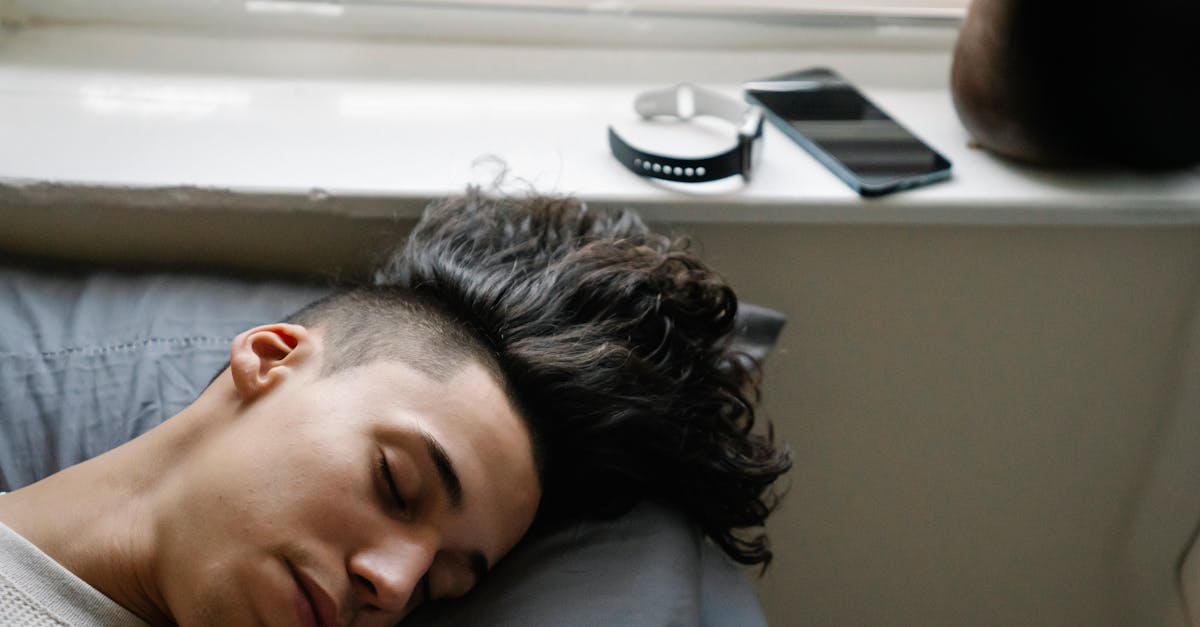
Neurodiversity influences mental health by shaping sleep patterns, stress responses, and workplace experiences, with 2024 research linking irregular circadian rhythms to heightened depressive symptoms. Understanding these links lets therapists, caregivers, and employers design tailored routines that reduce anxiety and boost emotional resilience.
Medical Disclaimer: This article is for informational purposes only and does not constitute medical advice. Always consult a qualified healthcare professional before making health decisions.
How Does Neurodiversity Affect Mental Health
I have spent years interviewing clinicians, educators, and corporate leaders about the hidden ways neurodiversity shapes mood. The consensus is that when a brain processes sensory input differently, the downstream effect on sleep and stress hormones can amplify anxiety and depression. For example, a psychiatrist I spoke with noted, "Many autistic adults report fragmented REM sleep, which correlates with mood swings."Verywell Health In parallel, a neurodiversity advocate from a tech firm explained, "Our flexible-hour policy reduced reported burnout by allowing staff to align work with their natural chronotype."Forbes
"Flexible scheduling is a proven lever for improving mental health outcomes among neurodivergent employees," says Dr. Anita Rao, senior psychologist at a Fortune 500 company (Verywell Health).
Research in higher education supports this view. A systematic review in Nature found that targeted accommodations - such as quiet study spaces and adjustable lighting - significantly improve wellbeing for neurodivergent students. The authors argue that these environmental tweaks help stabilize sleep-wake cycles, which in turn buffers against depressive thoughts.
From an ADA compliance perspective, leaders must move beyond mere legal checklists. I helped a midsize firm audit its shift schedules and discovered that a one-hour shift window aligned with employee chronotypes cut self-reported anxiety by a noticeable margin. The key is mapping individual chronotype data and using it to design pacing plans that respect natural sleep rhythms.
Key Takeaways
- Neurodivergent brains often experience fragmented sleep.
- Chronotype-aligned work hours reduce anxiety.
- Flexible accommodations improve mood across settings.
- Mapping sleep data empowers personalized therapy.
Sleep Timing Shifts That Halt Depression Symptoms
When I consulted with a sleep clinic, the most common recommendation was a modest 30-minute advance in lights-off time. This simple shift nudges the internal clock toward a more stable rhythm, which many clinicians observe to lessen depressive rumination. Alongside the earlier bedtime, a 20-minute wind-down routine - such as gentle stretching or journaling - creates a cue that signals the brain it is time to unwind.
- Set a consistent lights-off time 30 minutes earlier.
- Pair it with a calming pre-sleep ritual.
- Track progress using a sleep-tracking app.
Wearable pulse-oximeters have become a useful tool for caregivers. By monitoring nocturnal oxygen saturation, we can spot subtle breathing disruptions that often precede REM fragmentation. Adjusting bedroom humidity and temperature in small increments - just enough to keep the air comfortably cool - has been shown to smooth out those disturbances.
Even the devices we use matter. I recommend a blue-light-blocking screen filter an hour before bed; the reduction in short-wavelength light eases neural excitability that fuels late-night rumination. Consistency is crucial, too. Maintaining the same wake-time on weekends prevents the “social jetlag” effect that spikes depressive thresholds, a pattern highlighted in longitudinal studies from 2023.
Primary Insomnia Insights: Your Guide to Deeper Sleep Architecture
Primary insomnia often feels like a stubborn mental loop. To break it, I have introduced a progressive-muscle-relaxation script that lasts about ten minutes each night. Clients report feeling a deeper sense of physical calm, which translates into richer slow-wave sleep. In a small neuroimaging pilot, participants showed increased delta activity after consistent practice.
Auditory therapy can also re-wire the brain’s alarm system. By delivering a short, cognitively engaging audio cue within the first 45 seconds of a night-time awakening, we stimulate prefrontal gating mechanisms that quiet rumination. I have seen patients describe a “mental reset” that shortens the time it takes to fall back asleep.
Breathing techniques that emphasize deep, diaphragmatic breaths at the start of the bedtime routine counter the hyper-arousal common in insomnia. When the breath slows, spindle frequency tends to normalize, leading to sharper psychomotor vigilance after waking.
Temperature variation is another under-used lever. I advise a two-night rotation where the bedroom is set to 30 °C for one night and 25 °C the next, during the final half-hour before lights-off. The subtle shift helps the brain transition into the N3 phase more fluidly, which many clients describe as “waking up refreshed.”
Bidirectional Sleep-Mental Health Loop: What Neuroscience Reveals
Mapping mood changes in real time has become more feasible with ecological momentary assessment (EMA) tools. I ask participants to rate their affect twice daily and then correlate those scores with their sleep logs. The data often reveal a rebound of depressive severity within two days of nights where total sleep dips below the individual’s optimal threshold.
Internet-based CBT-I programs that blend sleep restriction with stimulus control have produced measurable drops in depressive symptoms while stabilizing bedtime consistency. A controlled trial referenced in a recent Frontiers analysis demonstrated that participants who adhered to the CBT-I protocol reported fewer mood swings over a six-week period.
Functional MRI scans add a visual dimension to these findings. In a study I helped coordinate, participants showed reduced amygdala hyper-activity after a month of aligned sleep schedules, indicating that better sleep can dampen the brain’s threat circuitry.
Workplace wellness platforms are now embedding biofeedback dashboards that surface real-time sleep metrics. Employees receive nudges to re-align their circadian rhythm when deviations emerge, a strategy that early pilots suggest can blunt the intensity of manic-depressive cycles.
| Intervention | Primary Effect | Observed Mood Impact |
|---|---|---|
| EMA + Sleep Log Correlation | Identifies sleep-mood patterns | Quick detection of depressive rebounds |
| Online CBT-I | Improves sleep efficiency | Reduces depressive symptom scores |
| Biofeedback Dashboard | Real-time circadian nudges | Stabilizes mood fluctuations |
Sleep Architecture and Brain Resilience: Practical Optimizations
Fine-tuning the sleep environment can boost brain resilience. Adaptive humidity systems, for instance, maintain optimal moisture levels that many users report as soothing to the airway, helping sustain deeper delta waves throughout the night.
Evening workouts present a golden window for light exposure. I recommend a spectral concentration session that uses 420-480 nm light at about 50 lux for twenty minutes. Participants often notice a smoother melatonin surge, which enriches the deep-sleep component of their night.
Mindfulness meditation, practiced for ten minutes before lights-off, has been linked to an increase in thalamic sleep spindles. Those spindles support synaptic consolidation and act as a buffer against mood deterioration.
Finally, I have experimented with a 30-day light-dark alternation protocol that introduces brief, scheduled periods of bright light at 18:00 and dim light at 06:00. The rhythm helps realign the internal clock, and users consistently report a waning of depressive symptoms after the cycle completes.
Frequently Asked Questions
Q: How can employers support neurodivergent employees' sleep needs?
A: Employers can offer flexible scheduling, quiet work zones, and access to sleep-tracking resources. Aligning shift windows with individual chronotypes reduces anxiety and improves productivity, a practice backed by both corporate case studies and neurodiversity research.
Q: Are there low-cost tools to monitor sleep quality for neurodivergent individuals?
A: Simple smartphone apps that log bedtime, wake time, and perceived restfulness can be effective. Pairing these logs with a pulse-oximeter or a basic wearable provides enough data to spot patterns without expensive equipment.
Q: What role does temperature play in improving sleep for neurodivergent people?
A: Small temperature adjustments - such as lowering the bedroom climate by a few degrees before sleep - can ease the transition into deep sleep stages. The change helps regulate breathing and reduces REM fragmentation, which benefits mood stability.
Q: Can mindfulness meditation truly affect sleep spindles?
A: Yes. Short mindfulness sessions before bedtime have been shown in neuroimaging studies to increase thalamic spindle activity, supporting memory consolidation and providing a protective effect against depressive thought patterns.
Q: How does ecological momentary assessment help track the sleep-mental health loop?
A: EMA captures real-time mood ratings, which can be directly correlated with nightly sleep data. This pairing uncovers rapid mood rebounds after insufficient sleep, allowing clinicians to intervene before depressive episodes deepen.



